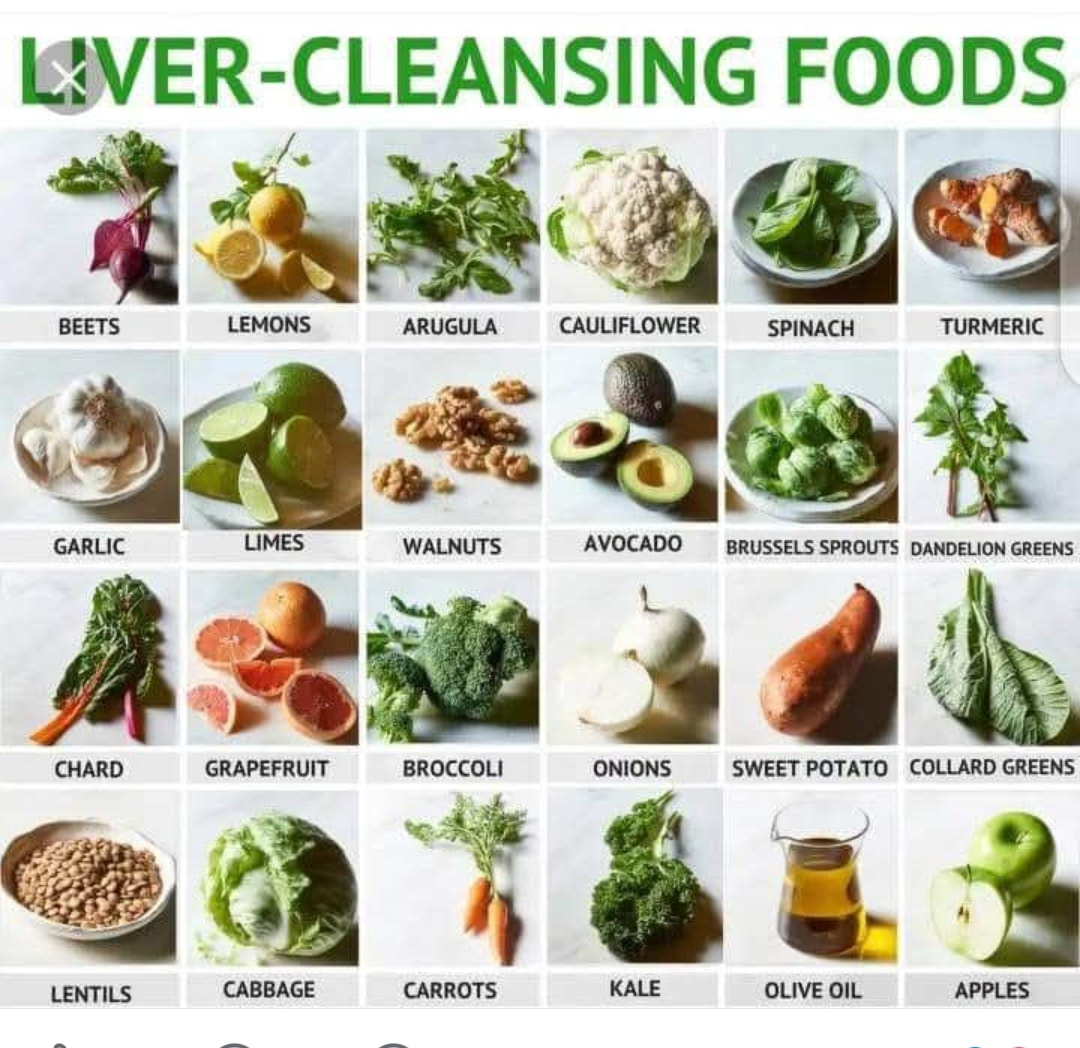
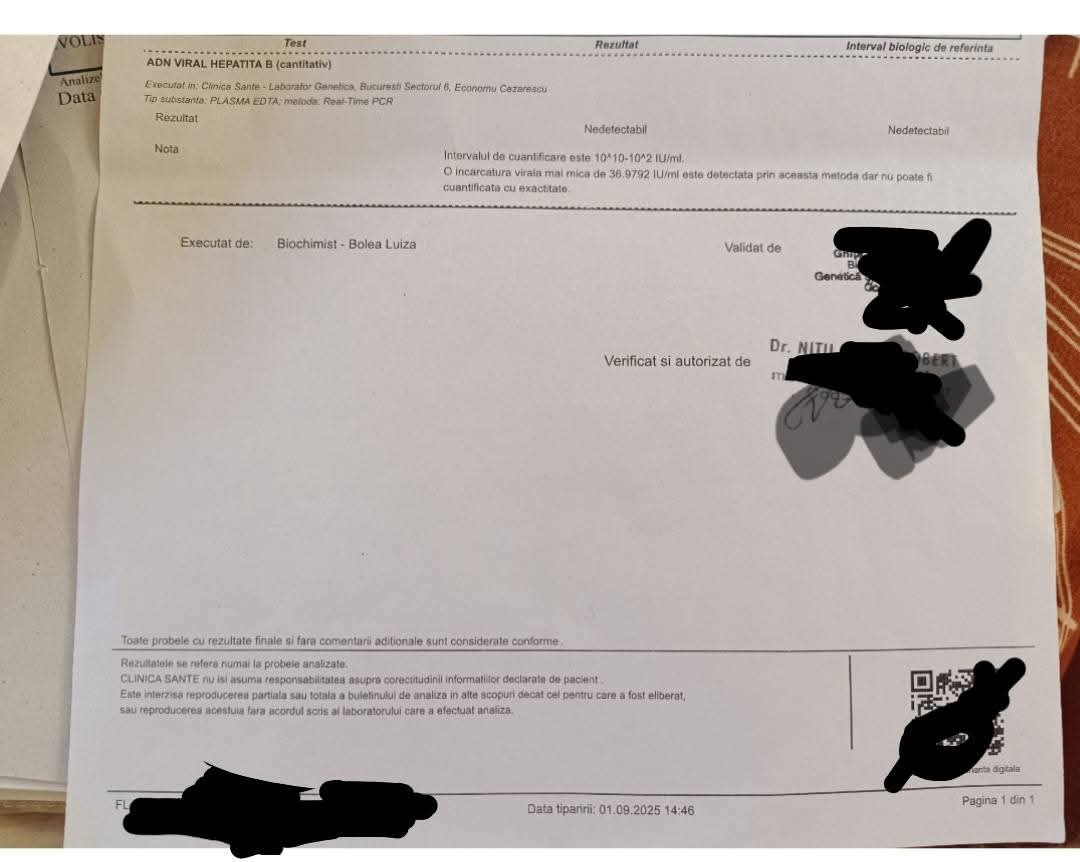
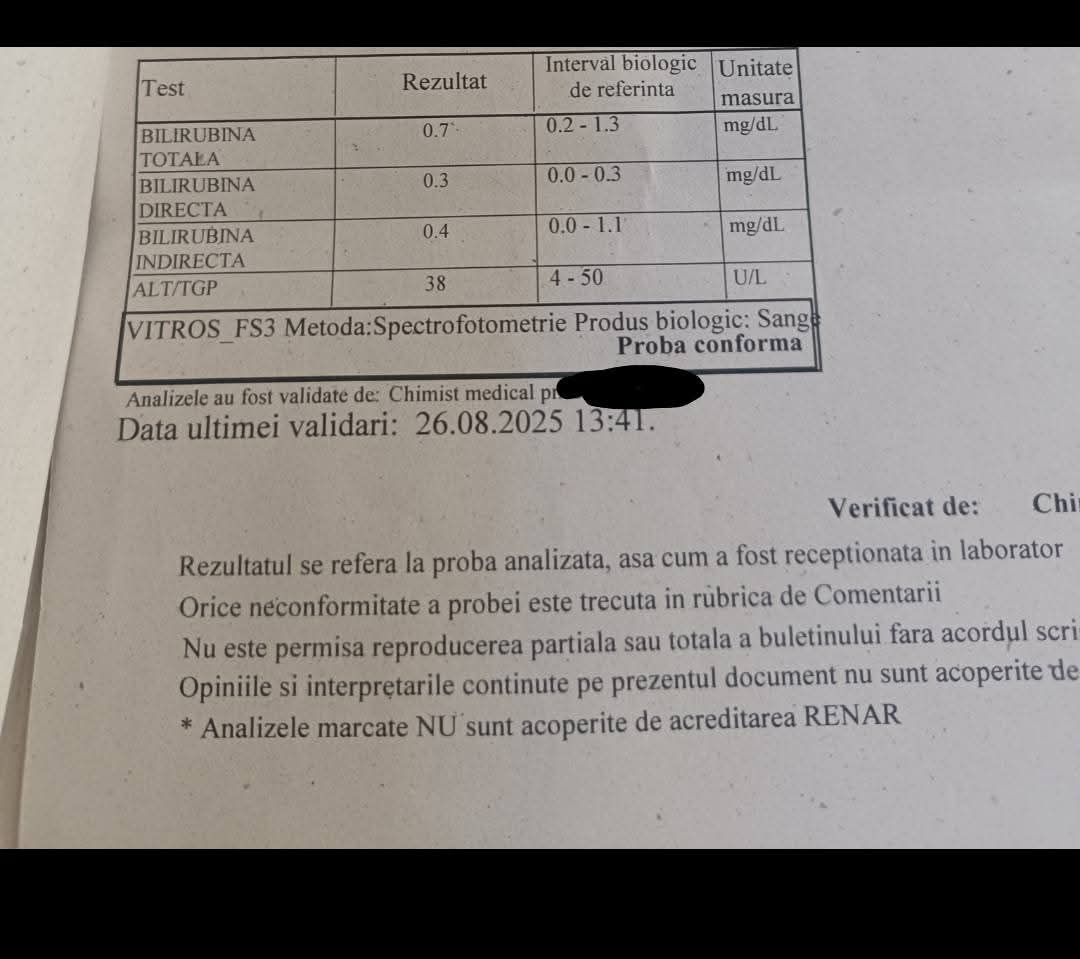
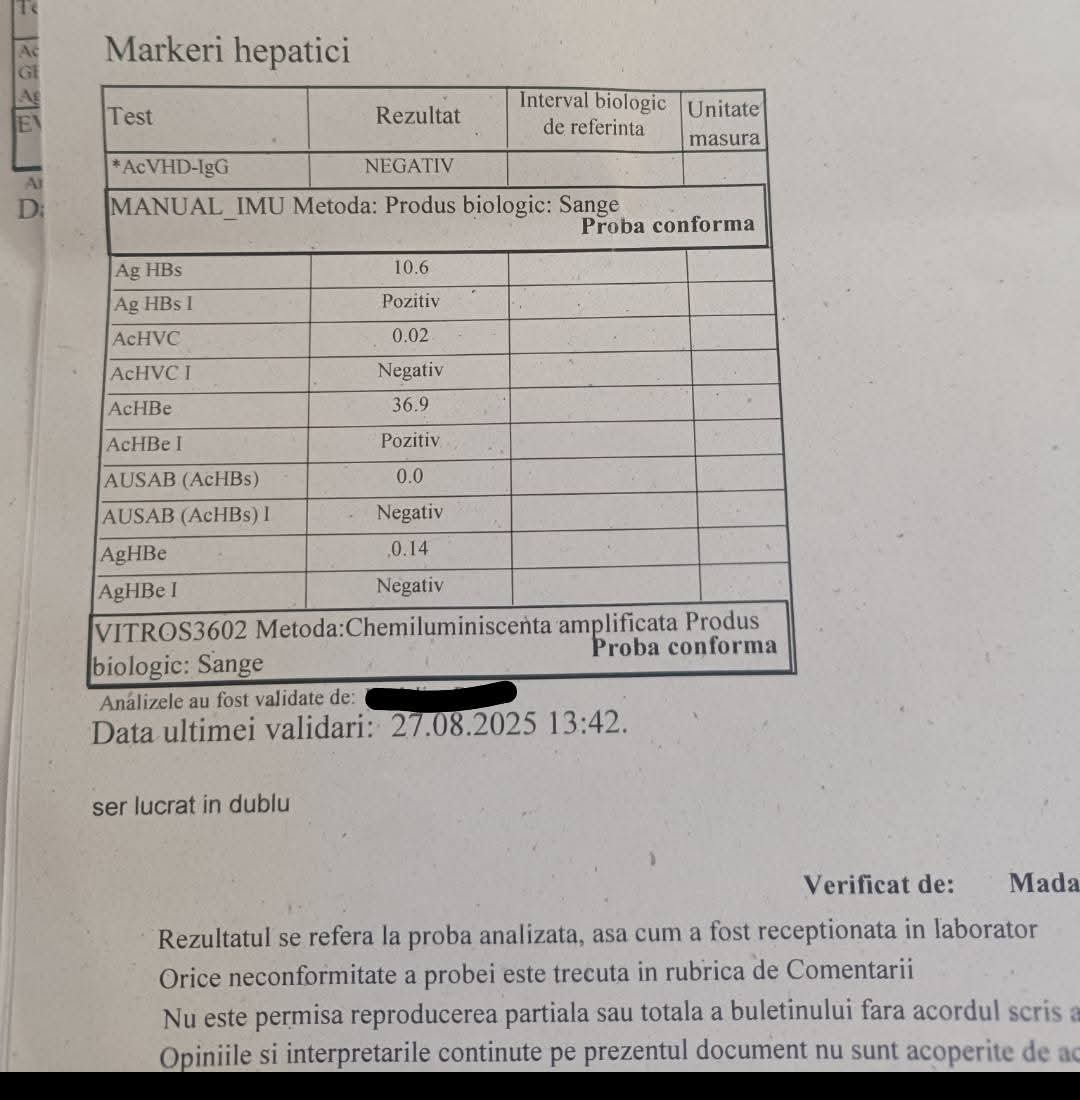
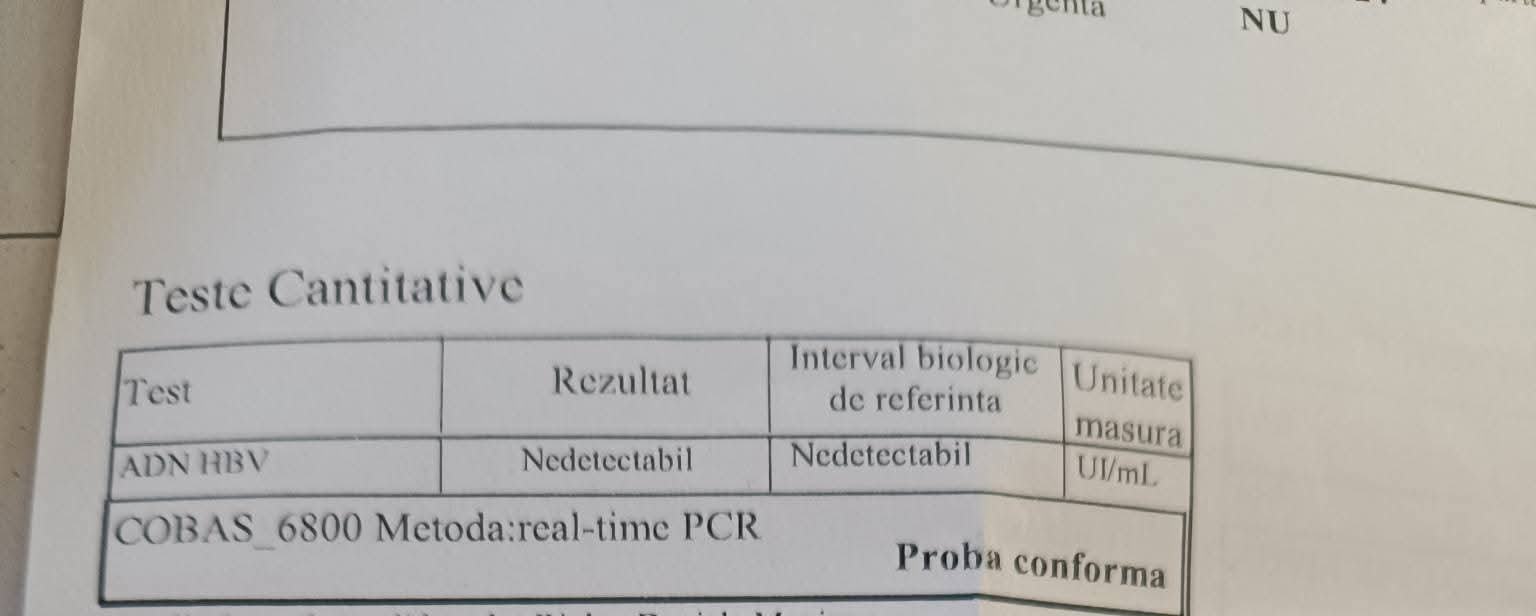
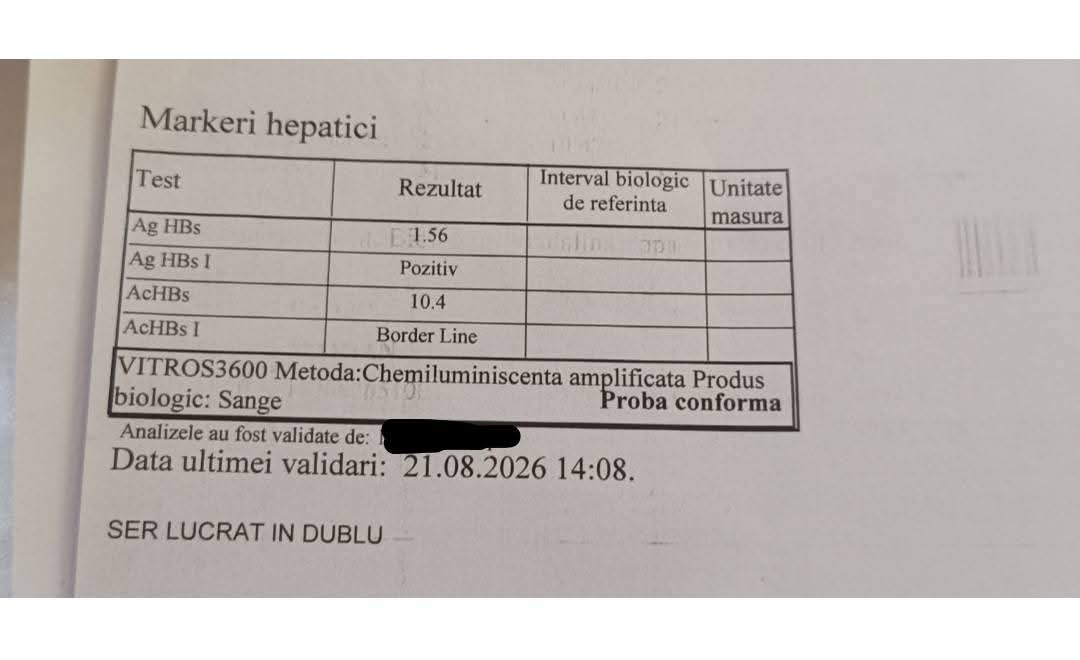
Hello. Six years and three months ago, I was diagnosed with Hepatitis B (quantitative HBsAg: 441; viral load: 64). During the first three years, the viral load consistently remained below 10, while the quantitative HBsAg level steadily declined—never increasing or stagnating. Over the last three years, the viral load has consistently tested as undetectable. In the third-to-last year of this period, the viral load was undetectable and quantitative HBsAg was 55. In the penultimate year (August 27, 2025), the viral load was undetectable and quantitative HBsAg was 10. This year (August 21, 2026), the viral load is undetectable, quantitative HBsAg is 1.57, and anti-HBs is 10.4 (this is the first time anti-HBs antibodies have appeared). The situation is expected to progress as follows: quantitative HBsAg will drop to zero, while anti-HBs levels will rise above 10.4. I will have a medical check-up in six months to monitor the increase in anti-HBs levels. In conclusion, I am currently in the final stretch of clearing chronic Hepatitis B.
Welcome to hepbcommunity forum. First of all , congratulations for your hepatitis B profile results. You are HBeAg -ve immune control CHB and impending to have HBsAg seroclearance ( HBsAg loss) with seroconversion (Anti HBs +ve > 10 mIU/ ml ) . I think you will have resolved chronic hepatitis B infection in the near future.
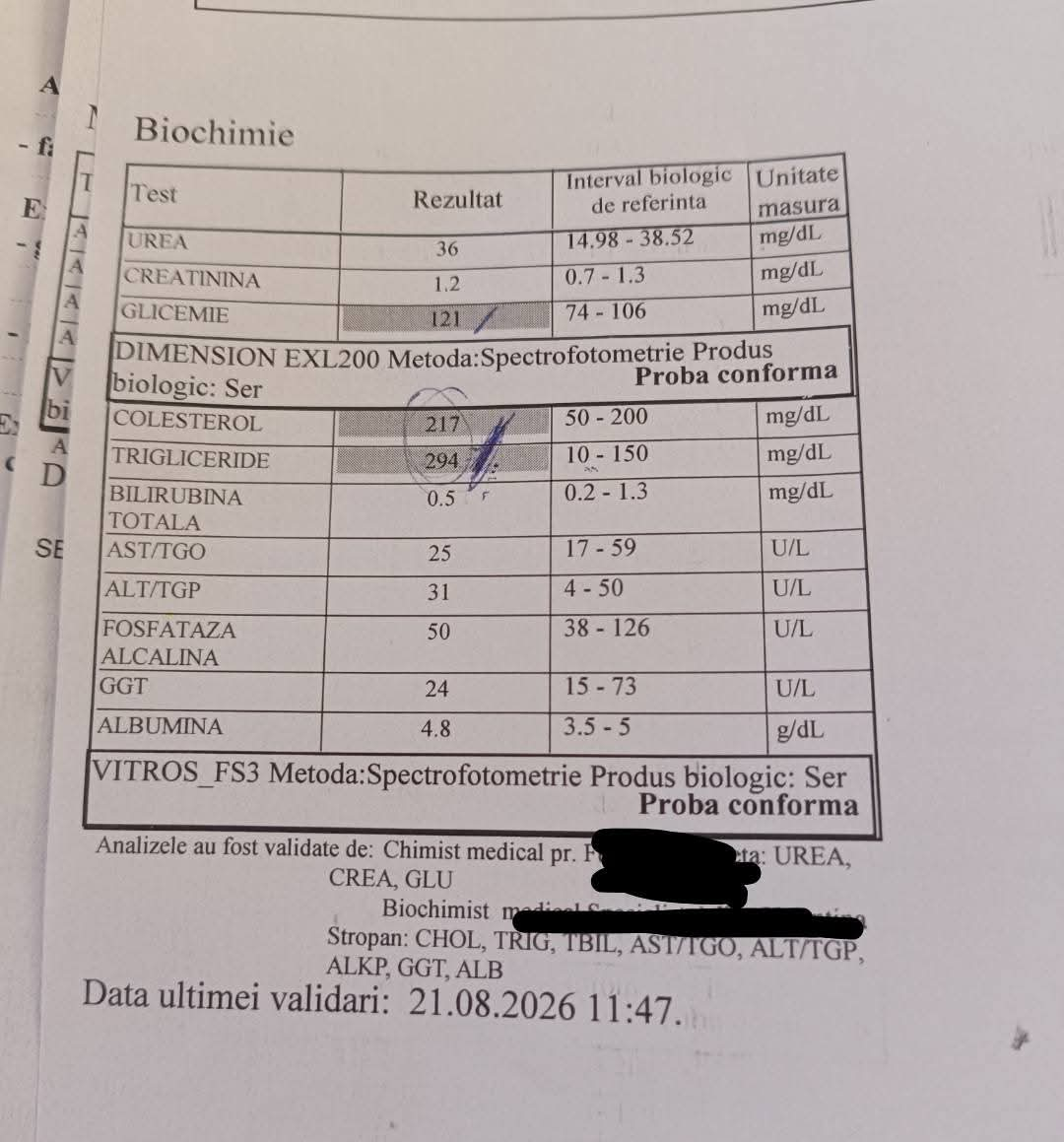
However, you should take care about your metabolic health. You have high fasting blood sugar which indicates prediabetes status and have high triglycerides in your blood sugar.You should assess parameters about your blood pressure, waist circumference / BMI , and HDL cholesterol level , if you have at least one of those parameters, you may have metabolic syndrome and most likely MASLD. This is the silent and subclinical disease not just fatty liver but lead to cardio metabolic disease especially atherosclerotic cardiovascular diseases. You should consult with your doctor about your metabolic dysfunction. I hope this may help you.
You are absolutely right; on August 21, 2026, the doctor monitoring my Hepatitis B decided to perform an abdominal ultrasound, and the result showed Grade 2 hepatic steatosis. I also have high blood pressure (15) and take 50 mg of Betaloc Zok—one pill a day. The doctor told me to see a cardiologist to get a prescription for my elevated cholesterol and triglyceride levels. I am not sure if going to a cardiologist instead of a specialist in metabolic diseases was the right decision. I am worried that taking Atorvastatin for triglycerides and cholesterol might affect my liver.
Congratulations, Laurentiu. It is encouraging to hear that your HBsAg has fallen so significantly and that anti-HBs has appeared.
I also have chronic hepatitis B, but unfortunately I am co-infected with hepatitis D (HDV). My HBV DNA is suppressed on antiviral treatment, but HDV RNA remains positive despite almost a year of pegylated interferon treatment. My liver stiffness is also in the advanced fibrosis/F4 range, although this needs to be interpreted together with my other clinical findings.
At the moment, my main concern is finding effective treatment for HDV, especially access to bulevirtide or a suitable clinical trial. I am currently trying to find a treatment pathway because my condition has been getting progressively more difficult.
I wish you continued improvement and hope you achieve complete HBsAg clearance soon.
For me, it is not clear that the anti-HBs value of 10.4 is a true quantitative result because the report does not show any unit of measurement. Please confirm with your doctor or laboratory that this was a quantitative anti-HBs test reported in mIU/mL, rather than a qualitative test or an assay index/cut-off value.
The same applies to the HBsAg value of 1.56. Please verify that it is a true quantitative HBsAg result reported in IU/mL, not a qualitative result or signal-to-cut-off index. Without the units and exact assay names, these numbers cannot be interpreted reliably.
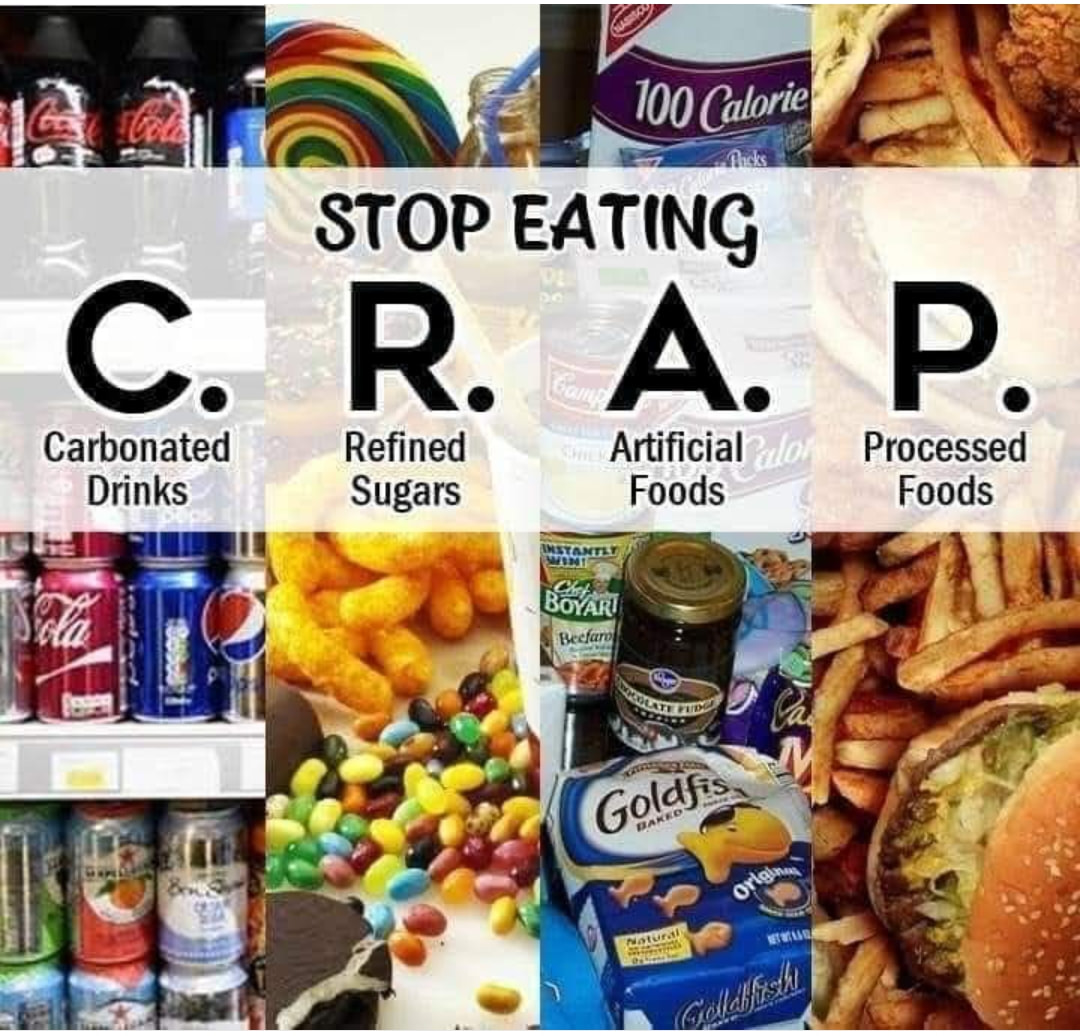
You should take care and manage yourself about your body composition especially fatty tissue. You have excessive body fat particularly fatty liver and its toxicity leading to insulin resistance with metabolic unhealthy and inflexibility resulting in central obesity, type 2 diabetes, hypertension, dyslipidemia etc. Fatty liver can be resolved completely as well as your metabolic dysfunction if you can lose your body weight for at least 5-10% with lifestyle modifications. Healthy diet eg Mediterranean diet and focus on whole foods, reduce or cut off sugar and sugary drinks, avoid trans fats and eat healthy fats. Regular exercise both aerobic (cardio) with moderate intensity about 3-5days for 150 minutes/week and muscle strength training exercise at least 30 minutes/time for 2-3 times/week.Stress management with adequate and quality sleep at least 7 hours/day. I hope this may help you to change your lifestyle with rigorous discipline .
I consulted with specialists; there are two types of HBsAg tests—quantitative and qualitative (positive/negative)—so the 1.56 HBsAg result is quantitative. The same applies to anti-HBs antibody tests, which are available in both quantitative and qualitative formats.
The HBV DNA result is clearly quantitative, so I have no doubts about that part.
However, I am not convinced that the HBsAg and anti-HBs results are quantitative. The report shows values of 1.56 and 10.4 but provides no units of measurement. They may simply be assay index or signal-to-cut-off values from qualitative tests.
Could you please ask your doctor or the laboratory to confirm whether:
HBsAg was measured quantitatively in IU/mL; and
anti-HBs was measured quantitatively in mIU/mL?
Please also ask for the exact names of the tests and their units. Without that information, these values cannot reliably be interpreted as quantitative.
I asked the infectious disease specialist—the one who ordered the tests—and he explained that there are two types of HBsAg tests: 1) “quantitative” (1.56) and 2) qualitative (positive). However, when he printed the results from the computer, he didn’t include the unit of measurement. The same applies to the anti-HBs antibodies: quantitative (10.6) and qualitative (positive).
There were periods when I followed a diet and periods when I didn’t; regardless of the period, my AgHBs levels dropped—they never plateaued or increased. I never underwent treatment during those six years; it wasn’t necessary. … !


 and diet do you follow, please share more about your life style.